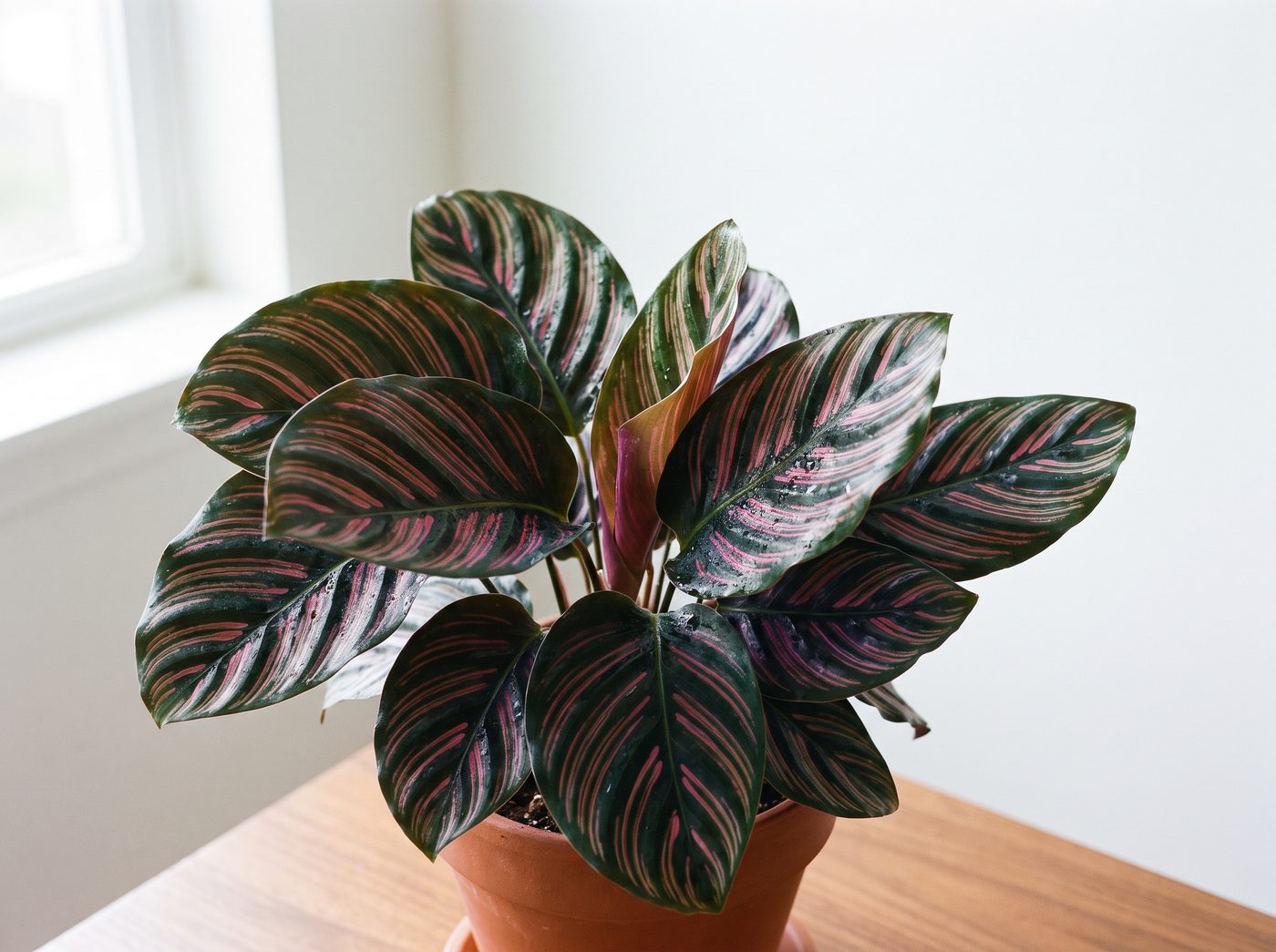
Monstera are hardy houseplants that are native to tropical areas, such as Mexico and Panama. Found in rainforests, Monstera thrive in warm and humid environments with bright, indirect sunlight and proper watering.
The main thing to remember about Monstera plant watering is that Monstera do not like their soil to be soaking wet or completely dry: it should stay somewhere in between.
Fortunately, Monstera are fairly laid back about their watering, so there is room for error while you learn. Once your figure out the right water needs for your plant, it can really thrive. Learn more about Monstera plant watering, signs of an over or under watered Monstera, and how to avoid problems.
Monstera Plant Watering Frequency
Before watering, check the moisture level of the plant’s soil by sticking your finger in the top few inches (you can also use a moisture meter). Monstera prefer lightly moist soil that dries out a bit in between watering.
If the top 3 to 4 inches of soil are dry, it is time to water your plant again. However, if the soil still feels wet, skip the watering for now and wait a few more days before checking again.
For me, this ends up being about once a week in the summer and once every two to three weeks in the winter. However, this may be different for you depending on your plant’s environment (explained more below). Always check the moisture of the soil before you water.
How to Water a Monstera
Once you have confirmed your Monstera needs water, what is the best way to do so?
Use room temperature filtered water. You can leave the water out to sit for a few hours so the chloride has time to evaporate.
Water the soil at the base of the plant. Do not get the leaves wet because that could lead to rot. If they do get a few drops on them, just wipe them off with a tissue.
Water until you notice water start to come out of the drainage hole (if your pot has one). The soil should be fairly wet (but not completely soaking) by this point. Make sure you dump out the water that collected in the tray immediately afterwards so that the plant does not sit in water for too long.
Factors Affecting Monstera Plant Watering Frequency
There are several factors that affect the frequency of Monstera plant watering. Everyone’s plants will be watered slightly differently, depending on the conditions they are in.
Sunlight
Providing your Monstera with bright, indirect sunlight will help it grow faster. More sunlight also dries out the soil quicker, so you will need to water the plant more often. Check the soil moisture every few days so you know when your Monstera needs a drink.
Temperature & Humidity
Plants in warmer temperatures will require more frequent watering than those in cooler temperatures. In the summer, you will have to check the soil’s moisture and water your Monstera more often than in the winter.
While high humidity will not replace watering completely, it will decrease the frequency of watering. As always, check the soil before you water.
Type of Pot
If your Monstera is in a terracotta pot, it will need to be watered more often than if it were in a ceramic or plastic pot. This is because the terracotta will allow the water to evaporate out faster.
Monstera Size
If you have a few Monstera of different sizes, they may not all need to be watered at the same time.
Smaller plants will need to be watered slightly more often than larger ones because they have less soil, so the water dries out quicker. However, bigger plants will require a larger volume of water.
Best Type of Soil
Plant your Monstera in a quick-draining soil mix. A great way to make your own mix is by adding perlite or gravel to a houseplant potting soil to increase the drainage.
A well-draining soil will help prevent root rot. Avoid dense, rich soil because it will retain water for longer than needed and promote rot.
Best Type of Pot
A terracotta pot with a drainage hole is the best choice if you have a tendency to over water your plants. Terracotta allows excess water to evaporate out and lets the plant’s roots aerate, which helps prevent root rot.
If you want to keep your Monstera in a plastic or ceramic pot, be aware that it may need to be watered less often.
How to tell if your Monstera is not watered properly
While Monstera plants are not too sensitive to watering, there is a limit to how much they can handle.
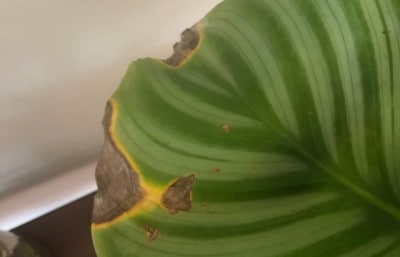
Over watering leads to root rot and plant death. On the other hand, under watering can lead to dry and crispy leaves, so it is a delicate balance!
Signs of Over Watering
- Yellow or brown stems and/or leaves
- Dark spots on the leaves
- Mold on the soil
- Mushy, soft stems
- Very soggy, wet soil
Too much water is a common cause of black spots on Monstera leaves.
Over watering will lead to rot and even death. However, if you catch the signs of over watering early enough, you can save your plant.
If you suspect your Monstera is over watered, remove the plant from it’s pot and clean the soil off the roots. Cut off rotten roots- they will look dark brown or black and appear mushy (healthy roots are light tan).
If you have no healthy roots, you will have to propagate your plant. Take stem and leaf cuttings from the healthy plant tissue. Be sure to cut an inch or two above the damage, as rot spreads from the inside before it is fully visible on the stems.
Clean your pot thoroughly with soap and water, then fill it with fresh, new potting soil. Pots with drainage holes help remove excess water. If your pot does not currently have a drainage hole, consider switching pots to help your plant bounce back.
Prune the damaged, yellow or brown leaves and plant in the new soil. Keep the pot in an area with bright, indirect sun so that it can dry quickly and reduce your watering frequency.
To prevent over watering, always check that the top layer of soil is dry before watering by sticking your finger in or using a moisture meter.
Signs of Under Watering
- Pale yellow leaves
- Brown, crispy-looking leaves or spots
- Wrinkled leaves
- Drooping stems
Fortunately, under watering is easier to fix than over watering.
Check your plant’s soil to see if it feels dry. If it does, give your plant a good drink. The brown edges will not turn green again, but you can trim them off to improve the plant’s appearance.
In addition, check to see if your plant is root bound, as that can cause the soil to dry out faster than usual. Signs of a root bound Monstera include roots popping out of the soil and the drainage hole. If your plant has grown too large, repot it in a vessel approximately 2 inches wider in diameter than the current one (do not chose a pot much larger than that).
Wait a few days after repotting before watering again.
Keep in mind that if you recently moved your Monstera to a brighter location it will require more frequent watering.
In Summary for Monstera Plant Watering
Overall, Monstera are hardy houseplants and able to tolerate some mistakes in watering, making them great for beginner gardeners. Even if you end up over or under watering, it is possible for your plant to bounce back if you catch the problem soon enough.
In general, you should be watering once every 1 to 3 weeks, depending on the temperature, season and light conditions of your plant. The most important part of Monstera plant watering is checking the soil’s moisture beforehand.
With proper Monstera watering, your plant will thrive!
Have any other questions about watering Monstera plants that I did not answer? Let me know down below!
Related Articles
7 Reasons for Black Spots on Monstera
Plant Species Specific Care Guides
Every guide here comes from things I've actually tried on my own plants. Got a plant doing something weird? Send me a photo — I answer every one.
Ask a plant question →